Condition guide
What Visible Inclusions Mean in a Loose Gemstone
Inclusions are internal features; blemishes and wear occur at the surface. Both can be useful evidence, but neither should be hidden behind a generic clarity label or an overly flattering photograph.
6 minute guide · Updated August 24, 2026
Inclusions are varied, not one condition grade
Gem inclusions can include mineral crystals, growth features, or cavities containing liquid and gas. In laboratory work, inclusions can help with identification, treatment detection, and sometimes geographic-origin analysis.
For a buyer, the practical questions are where a feature sits, how visible it is face-up, whether it reaches the surface, and whether it could affect durability. A small internal feature and an open fissure at a girdle edge deserve different attention.
Look for location and scale
Close photographs should show a disclosed inclusion or chip in relation to the whole stone. A macro view is useful, but it should be paired with normal face-up and side views so you can understand scale.
Review the girdle, corners, points, and any thin or sharp areas. On heavily included material such as some emeralds, visible fissures can be a major part of the stone's appearance and may call for especially careful handling.
Windowing and light return are different observations
A window is an area where the cut allows you to see through the stone rather than returning light toward the viewer. It is a cut-and-proportion observation, not an inclusion, although inclusions may also be visible through that area.
Photographs taken at several angles can show how the center changes from reflective to see-through. This helps a buyer understand the actual face-up appearance without assigning an unsupported cut or clarity grade.
Condition should inform use
A visibly included gemstone can still be interesting for a collection, display, wire wrap, or jewelry concept. It should not automatically be described as suitable for every setting.
Before a fragile or heavily included stone is set, drilled, cleaned, or repaired, ask a qualified jeweler or lapidary to evaluate the exact piece. The cut, material, inclusions, and any treatment can all affect how it responds.
Primary references
Apply the guide
Related current products
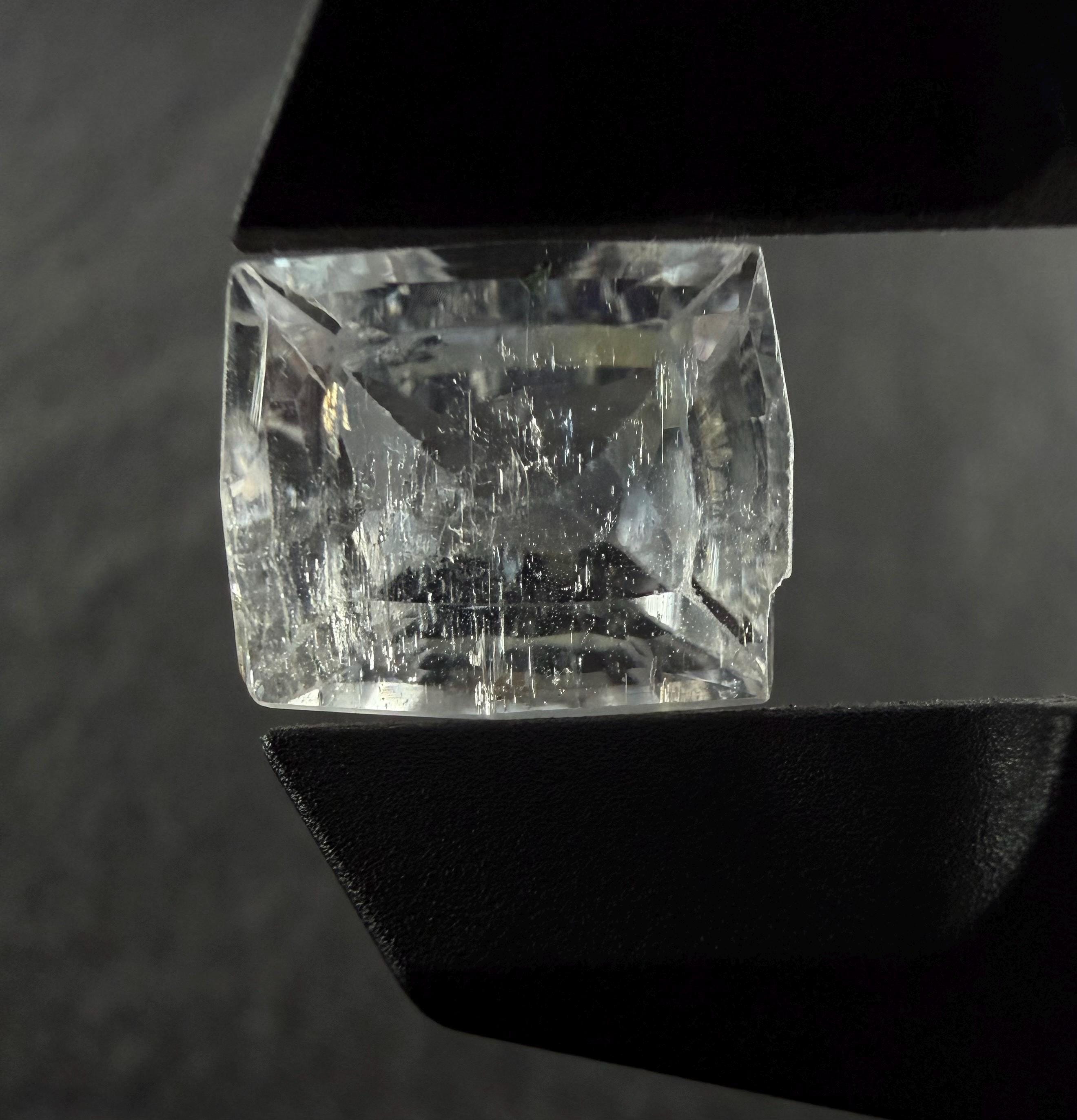
Colorless 8 ct Rectangular Cushion Cut Loose Gemstone
Colorless gemstone
Etsy$24.95
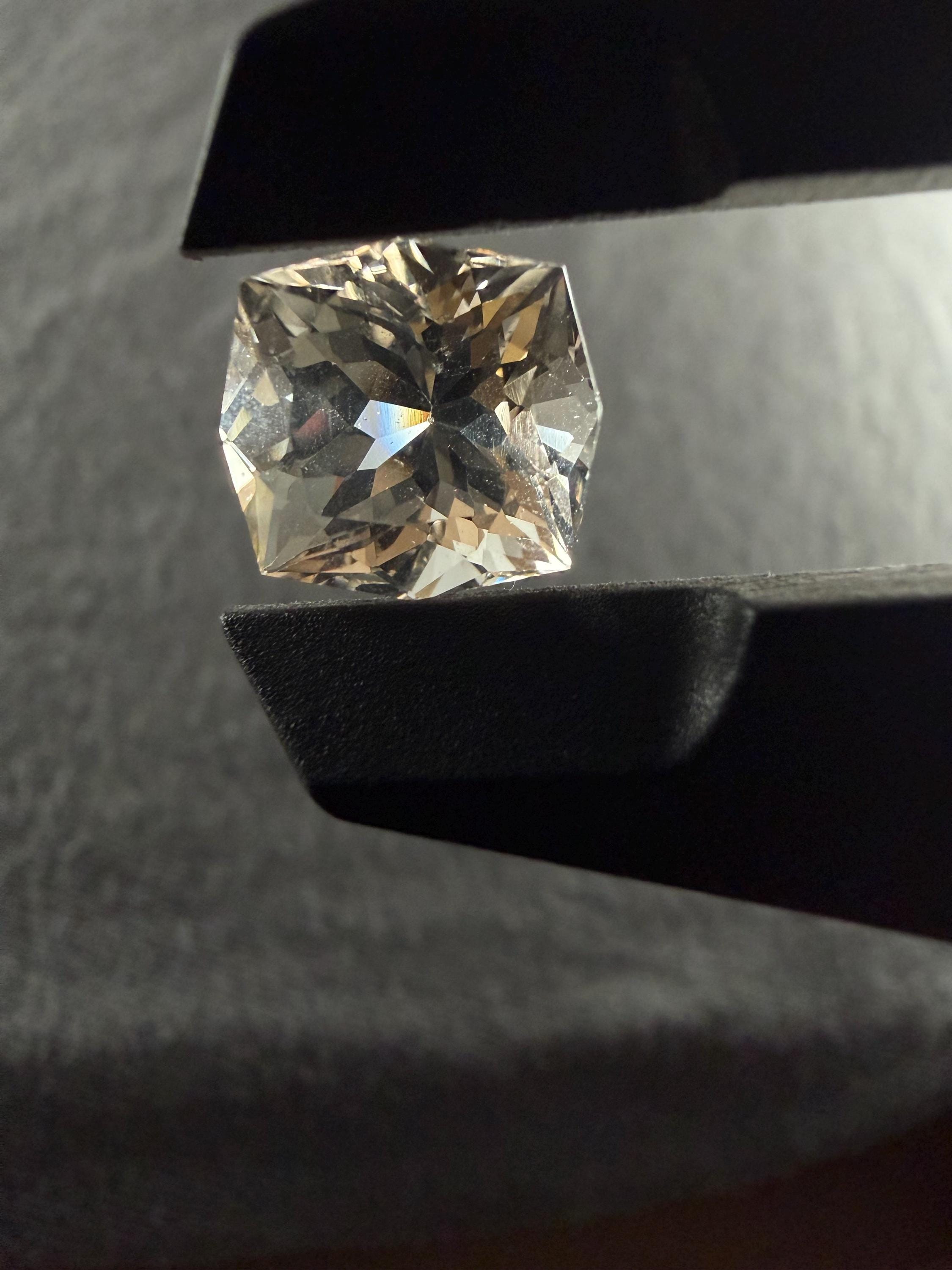
Colorless 9 ct Square Cushion Cut Loose Gemstone
Colorless gemstone
Etsy$29.95
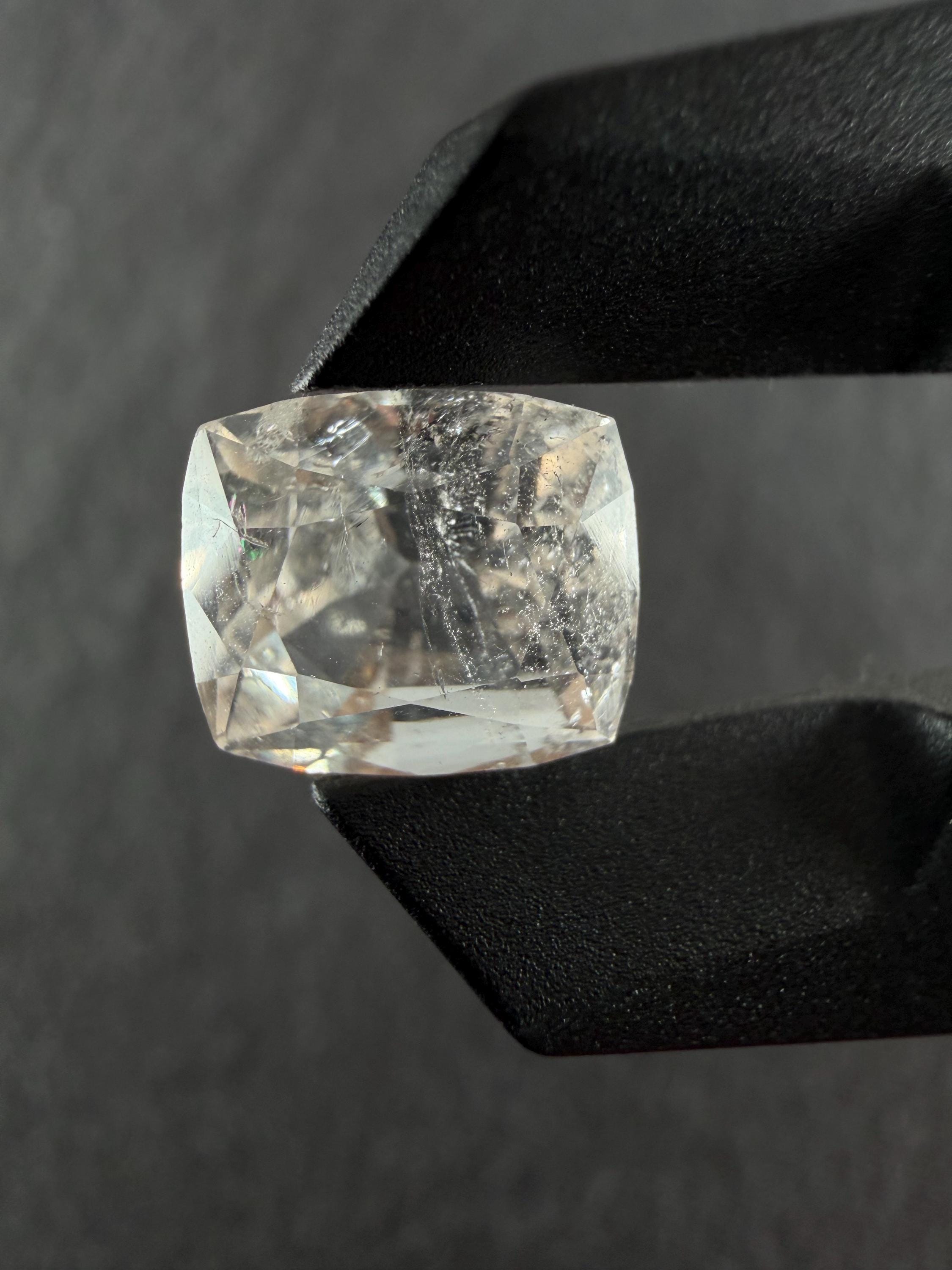
Colorless 8 ct Included Square Cushion Cut Loose Gemstone
Colorless gemstone
Etsy$19.95