Buying guide
How to Read a Loose Gemstone Listing
A useful loose-gemstone listing separates visible facts from supplier information and laboratory conclusions. Here is what each part of a listing can—and cannot—tell you.
6 minute guide · Updated August 24, 2026
Start with the exact object
Confirm whether the photographs show the exact gemstone being sold or only a representative example. With one-of-one material, exact-piece photography lets you compare the actual color zoning, facet pattern, inclusions, chips, and surface wear before checkout.
Read the image captions and the quantity statement together. A variation listing should identify which numbered or named stone you will receive; a group photograph by itself is not enough if the selection method is unclear.
- Exact piece or representative photo
- Seller SKU or variation name
- Number of pieces included
- Multiple useful viewing angles
Use weight and dimensions together
Carat is a unit of weight, not a face-up size. One carat equals 0.2 gram, but two stones with the same carat weight can have very different outlines, depths, and visual footprints. Dimensions help you understand how the weight is distributed.
For faceted stones, compare length, width, and depth where all three are available. For mineral specimens, gram weight and three-dimensional measurements provide a more useful sense of cabinet or display scale than either value alone.
Separate observation from identification
Color, transparency, cut, inclusions, and surface condition can be described from direct observation. Gemstone identity, natural-versus-laboratory-grown status, treatment, and geographic origin may require qualified testing.
Phrases such as “source represented” or “not independently laboratory verified” tell you where a claim came from. A formal identification report can address material identity and detectable treatment; an origin report adds a laboratory opinion on geographic origin for supported materials.
Match condition to the intended use
An inclusion is not automatically a problem, but its type, position, and whether it reaches the surface can matter. A stone that works well for collecting or display might need evaluation by an experienced jeweler before setting, especially when fractures, chips, a thin girdle, or extensive inclusions are visible.
Treat condition photographs as part of the description. If a listing discloses a chip, irregular edge, windowing, or surface wear, look for a close view that lets you judge its location and scale.
Primary references
Apply the guide
Related current products
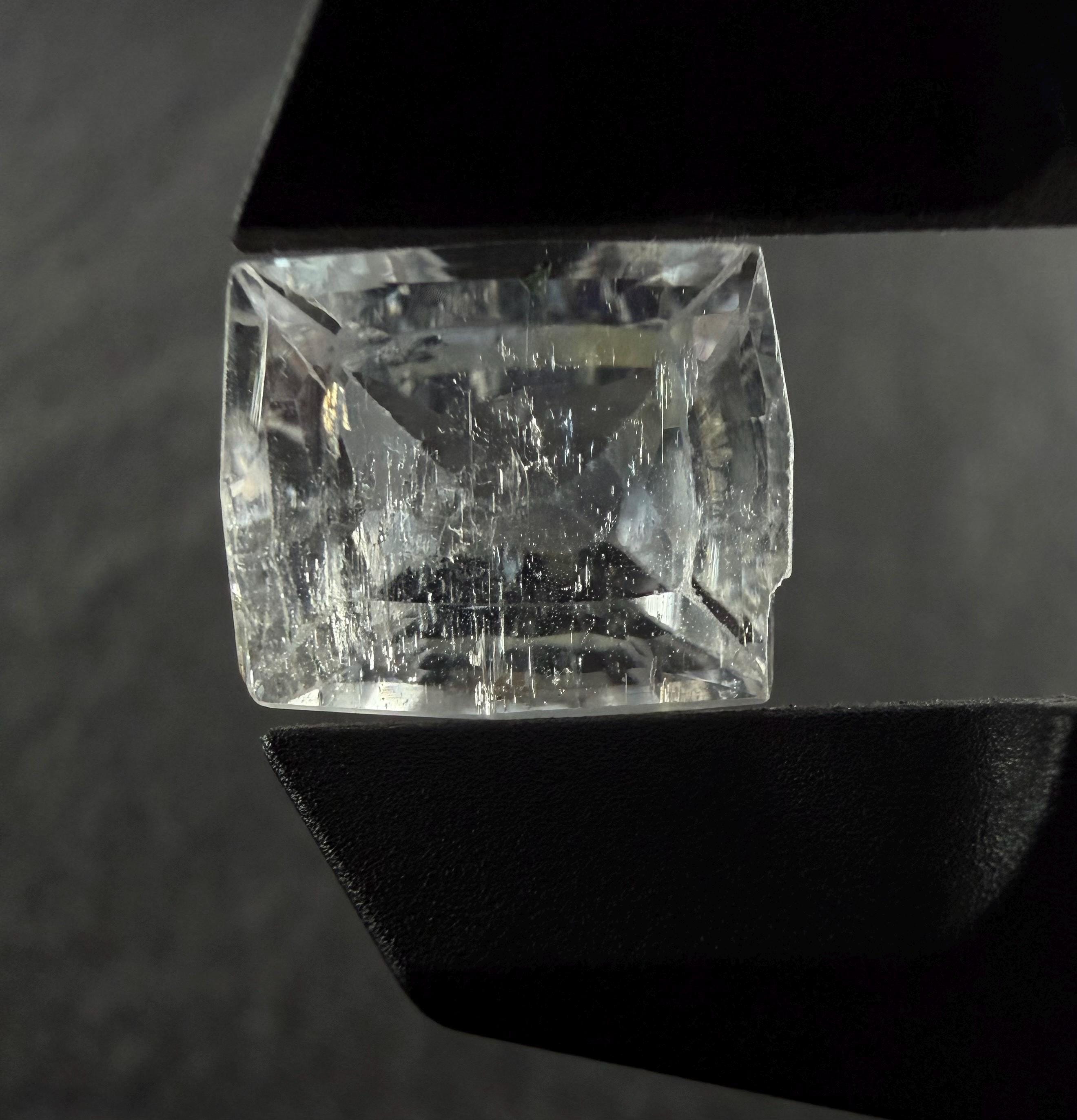
Colorless 8 ct Rectangular Cushion Cut Loose Gemstone
Colorless gemstone
Etsy$24.95
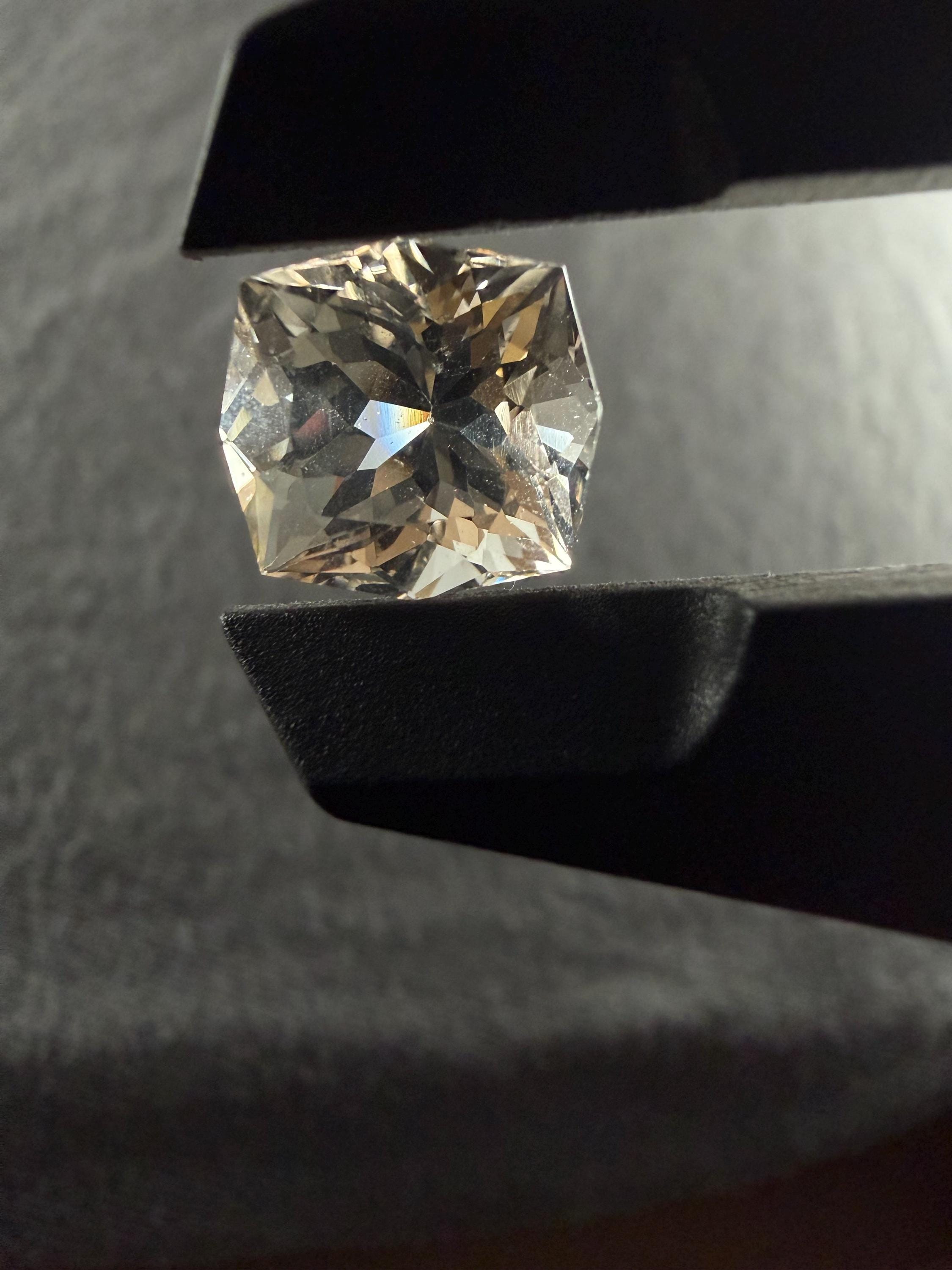
Colorless 9 ct Square Cushion Cut Loose Gemstone
Colorless gemstone
Etsy$29.95
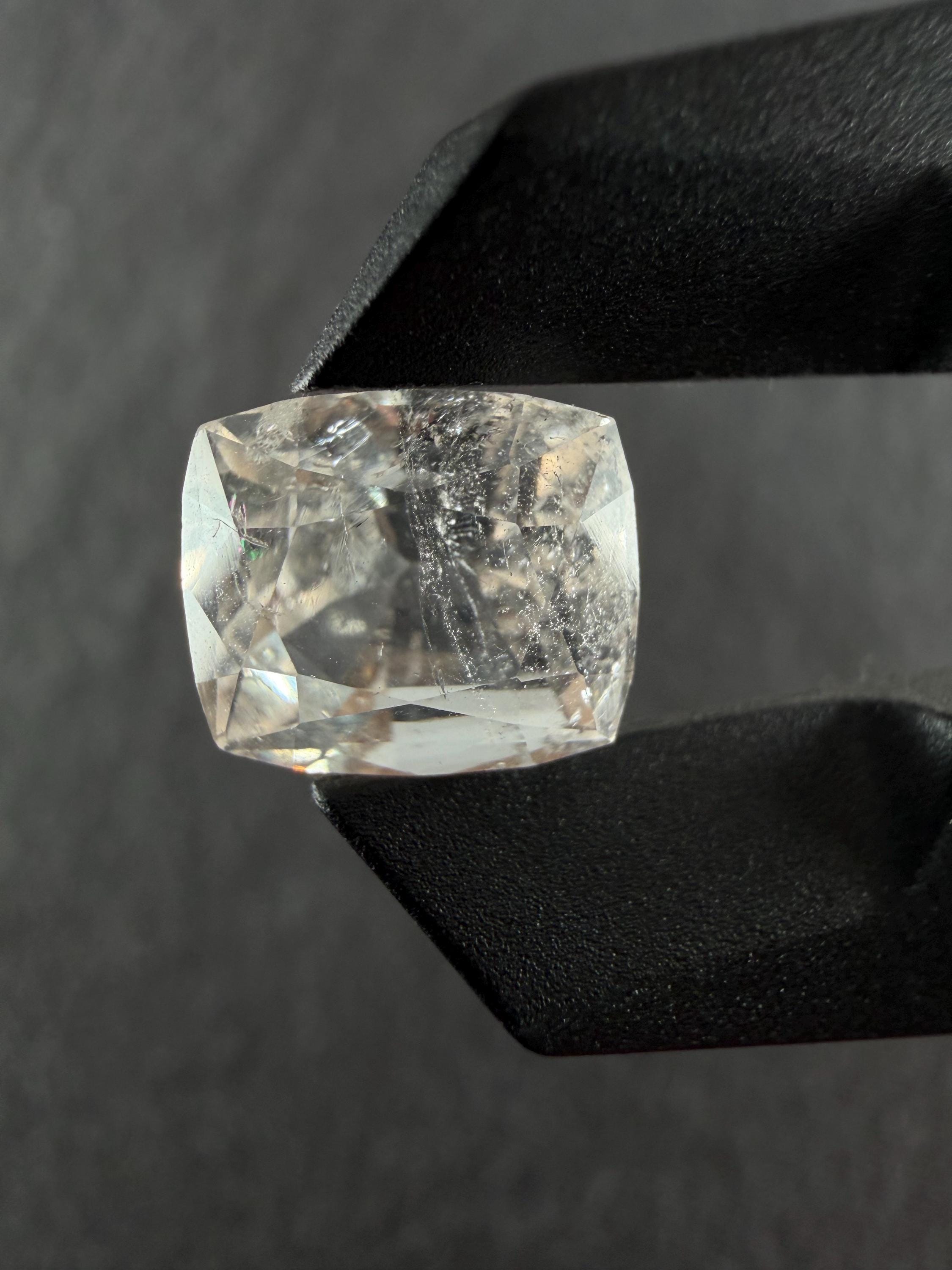
Colorless 8 ct Included Square Cushion Cut Loose Gemstone
Colorless gemstone
Etsy$19.95